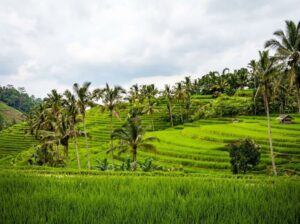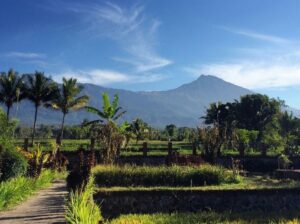
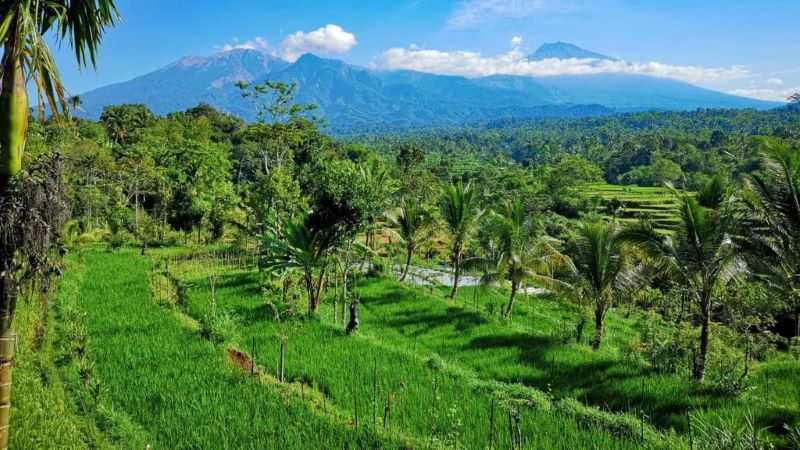
The first surprise in Tetebatu is how quickly the pace changes. You may still be near the village road, then a few turns later the view opens across rice fields with narrow footpaths slipping between them. Nothing feels staged. That is exactly why the Tetebatu rice terraces are worth seeing.
I would not come here expecting one dramatic viewpoint and a quick photo stop. After more than ten years of arranging trips around Lombok, I have found that Tetebatu works better when people give it room. The pleasure is in the walking. It is also in the pauses and the small shifts in scenery as you move.
For a first visit, think less about covering ground and more about choosing a route that matches your energy. A relaxed half day can feel complete. Stay longer only if you genuinely enjoy being on foot and want more time around the farming area.
Tetebatu Rice Terraces Are Better on Foot
The village roads only show part of the place. Once you step onto the smaller tracks, the scenery becomes much more interesting, with water beside some paths and fields opening as the route bends. You also start noticing how much of the area is still used for everyday farming.
This is where a Tetebatu local guide can add real value. Not because the walk needs to feel complicated, but because many small tracks do not explain themselves. A local person can help you understand where you are walking and why a certain route makes sense that day.
Do not overpack. Comfortable shoes matter more than fancy gear. If the ground has been wet, a sole with decent grip is far nicer than smooth sandals. And bring enough water that you are not hunting for a shop halfway through the walk.

There Is No Prize for Squeezing in Too Much
One of the easiest mistakes is treating Tetebatu like a stop between two bigger attractions. On paper, that looks efficient. On the ground, it usually means watching the time instead of watching where the path goes.
If you are figuring out how to plan Tetebatu rice terraces into a Lombok itinerary, start with your hotel location. Driving time matters. So does how much walking you want once you arrive. Build the day around those two things and the route becomes much easier to judge.
A private car is useful if you want flexibility around the start and finish. It also avoids the awkward moment where a walk ends somewhere different from where you expected and you still need to sort out transport.
For travelers who want the walking itself to be the main event, a Tetebatu walking tour gives the day a clearer shape. You can still stop when something catches your attention. The difference is that the route has been thought through before you set off.
What the Photos Usually Leave Out
The Tetebatu rice terraces do not look identical every month. These are working fields, so the color and texture of the landscape shift with local farming activity. If you arrive expecting the exact deep green you saw online, you may miss what is actually in front of you.
Rain can turn parts of the walk slick; bright sun makes exposed paths feel warmer than expected. Neither situation ruins the visit, but it should influence the route you choose.
That is one of the things to know about tetebatu rice terraces before you go: a good day here is not built around perfect conditions. It is built around sensible expectations and enough flexibility to adjust.
Pairing Tetebatu With Another Nature Day
Tetebatu can sit nicely within a wider Lombok itinerary, but I would be careful about pairing it with somewhere far away on the same day. Long road time eats into the part you actually came for.
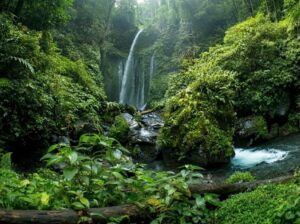
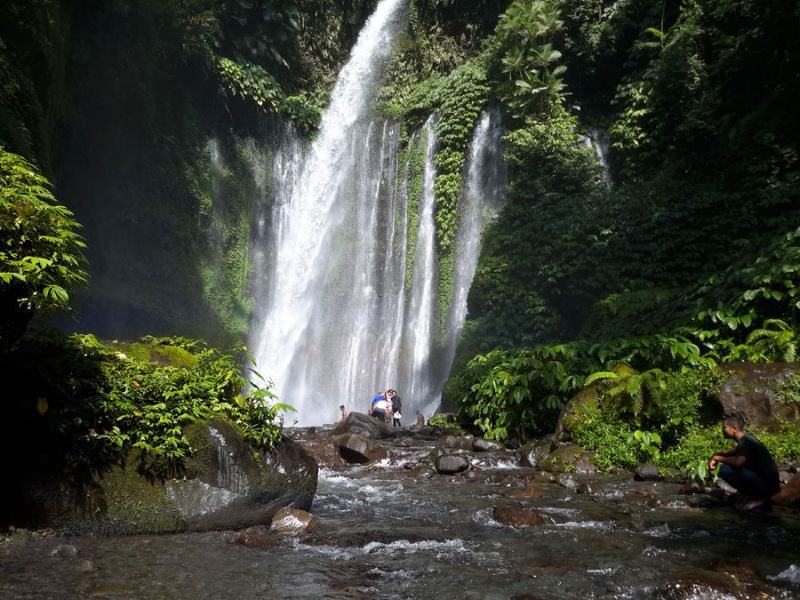
If waterfalls are high on your list, give them their own space. A dedicated Lombok waterfall day trip usually makes more sense than forcing Senaru and Tetebatu into one stretched schedule. The two areas offer very different days, and both are better when you are not racing the clock.
A closer combination can work better if the driving is short and the walking remains the focus. The exact plan depends on where you start, which is why local route advice is useful before locking in the day.
Is Tetebatu Worth a Full Day?
It can be, especially if you like rural landscapes more than packed sightseeing. A full day gives you time to walk slowly and stop without feeling that every pause is stealing minutes from the next place.
How Much Walking Feels Sensible?
There is no magic distance. If uneven ground is not something you walk on often, choose a modest route. Keen walkers should ask about the path itself rather than picking a trip only by its advertised duration.
What Changes After Rain?
You notice it underfoot. Dirt paths can become slippery, which naturally slows the walk. Check local conditions close to your visit instead of assuming yesterday’s route will feel the same today.
Would I Bring Children Here?
Yes, but I would choose the route for the family rather than for the map. Younger children may enjoy the open space for a while and then suddenly be done with walking. A shorter route leaves room for that.
Do You Need a Tetebatu Rice Terraces Guide?
No. You can visit without one. But a tetebatu rice terraces guide can make the day more meaningful if you want context rather than scenery alone. It also helps when you prefer not to spend part of the walk wondering whether a small path is actually the right one.
Leave Some Space in the Day
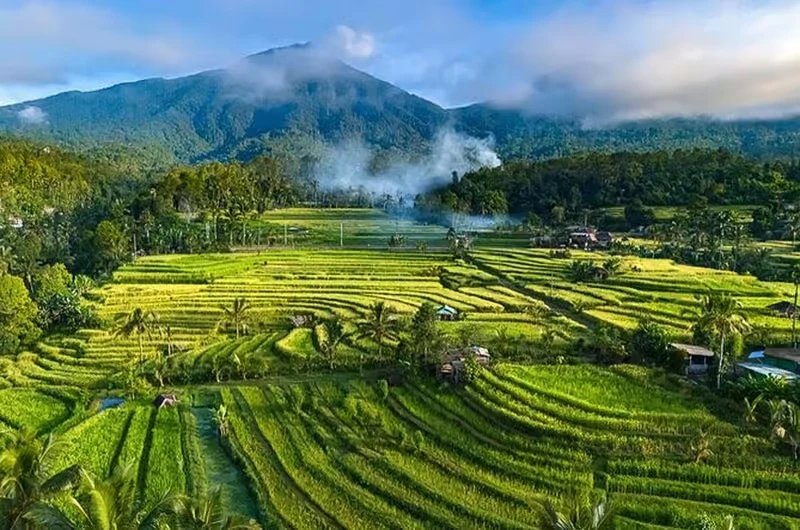
The Tetebatu rice terraces suit people who are happy to slow down for a few hours. They are not about collecting a long list of stops. They are about walking through a part of Lombok where the landscape still feels connected to daily life.
If you want help shaping the route, contact Lombok Day Trip for current trip details and availability. Tell the team where you are staying and how much walking sounds comfortable. From there, the day can be adjusted around your pace instead of forcing you into a fixed template.